3D LiveLife Memory Playing Cards: Memory, Movement and Visual Surprise
The
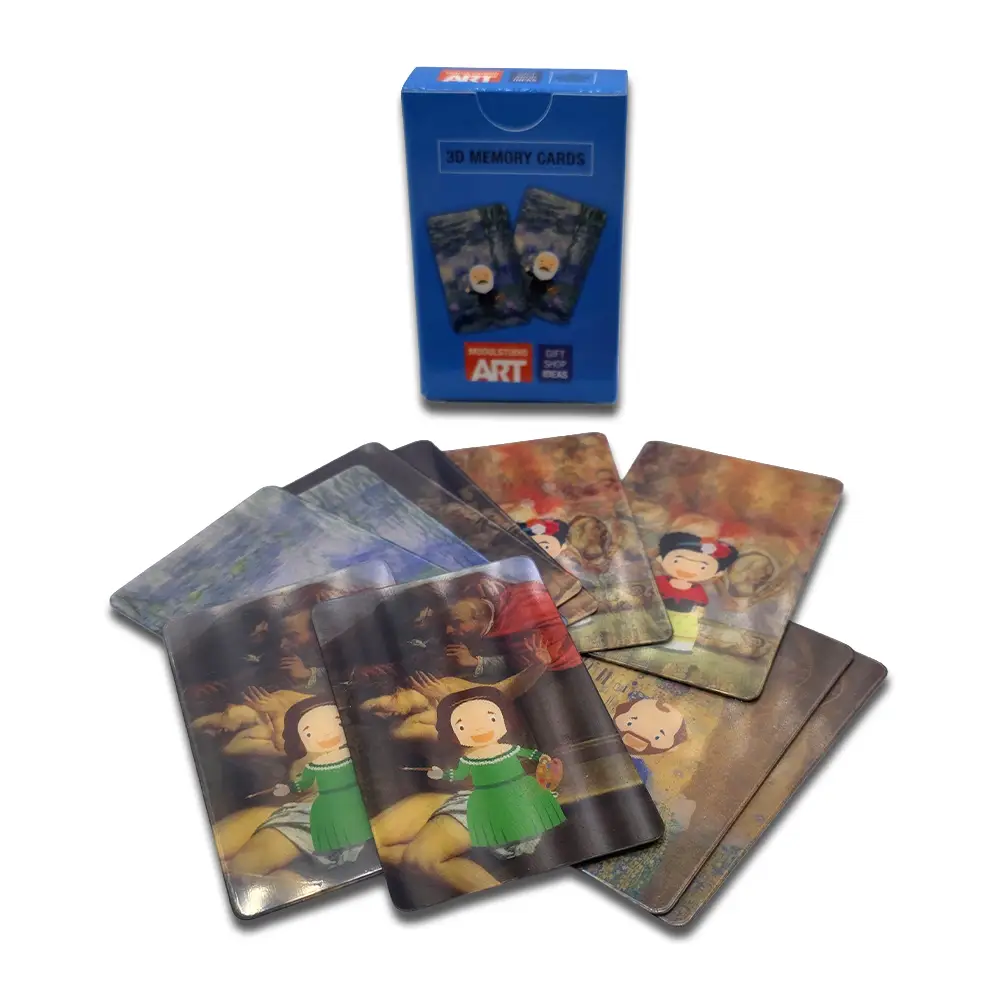
3D LiveLife Memory Playing Cards reinterpret the classic memory game through a contemporary visual language. Designed for innovative museum merchandising, these cards combine educational play,
lenticular technology, and perceptual experience, transforming a simple game into a dynamic moment of discovery.
Memory is one of the most beloved games for both children and adults because it stimulates concentration, observation, and visual memory. With the
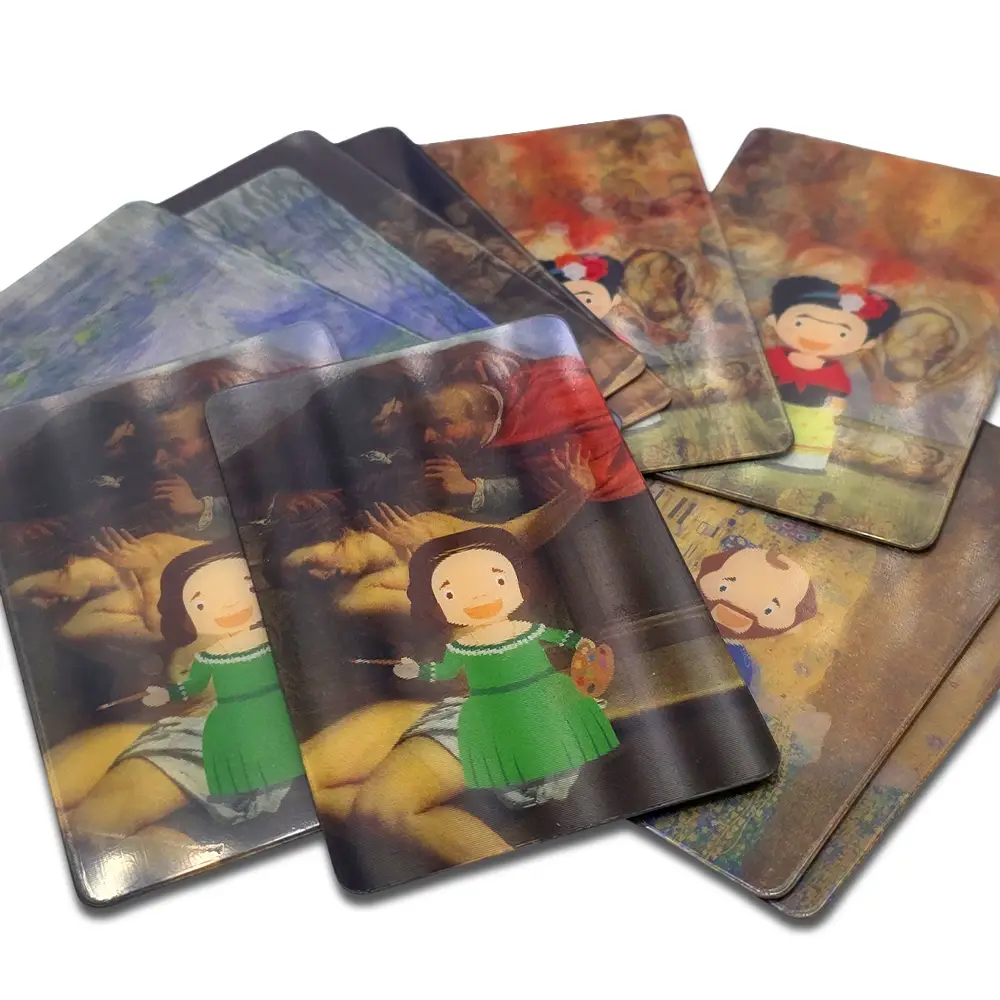
3D LiveLife version, the game gains an unexpected dimension: the images are not static, but come to life thanks to the lenticular effect, creating movement or depth depending on the viewing angle.
In a museum bookshop, this product immediately stands out. Simply tilt a card to reveal the three-dimensional effect—a detail that captures attention and makes the game even more engaging.
Lenticular Effect: Images That Move and Change Perspective
At the heart of the
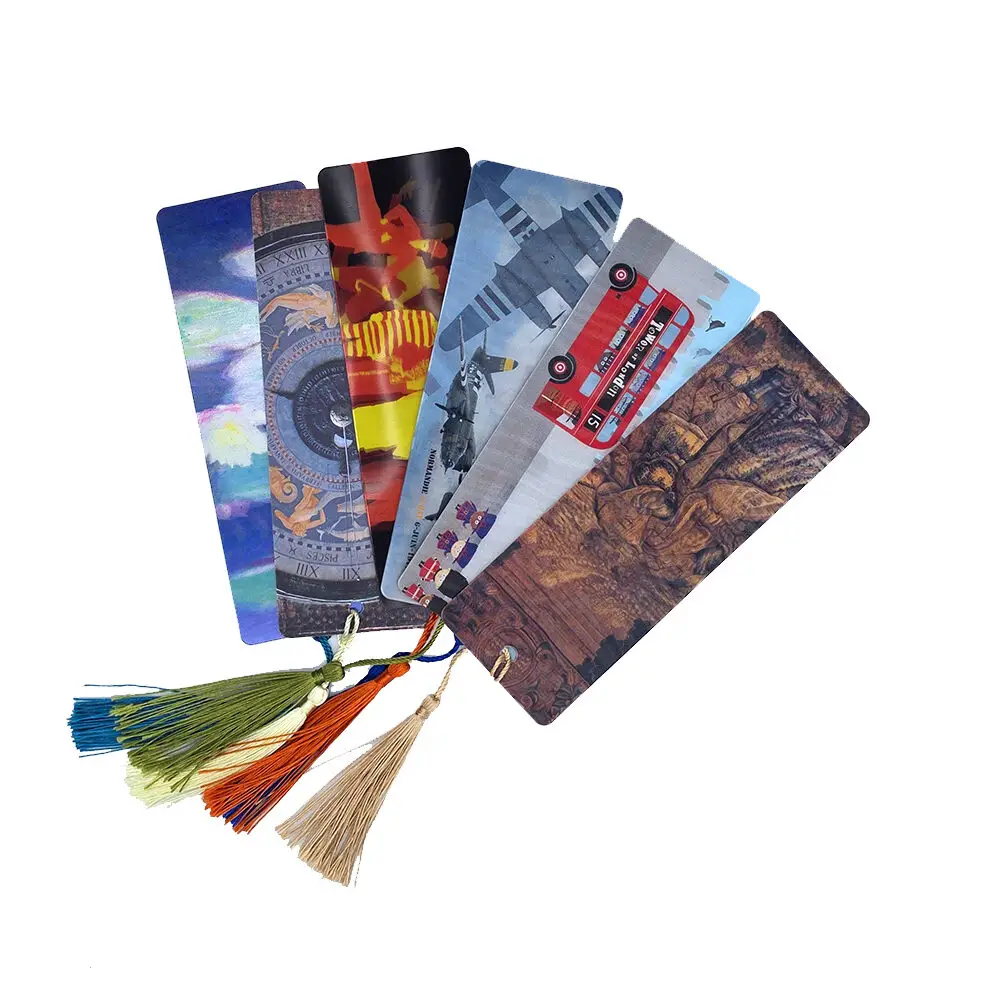
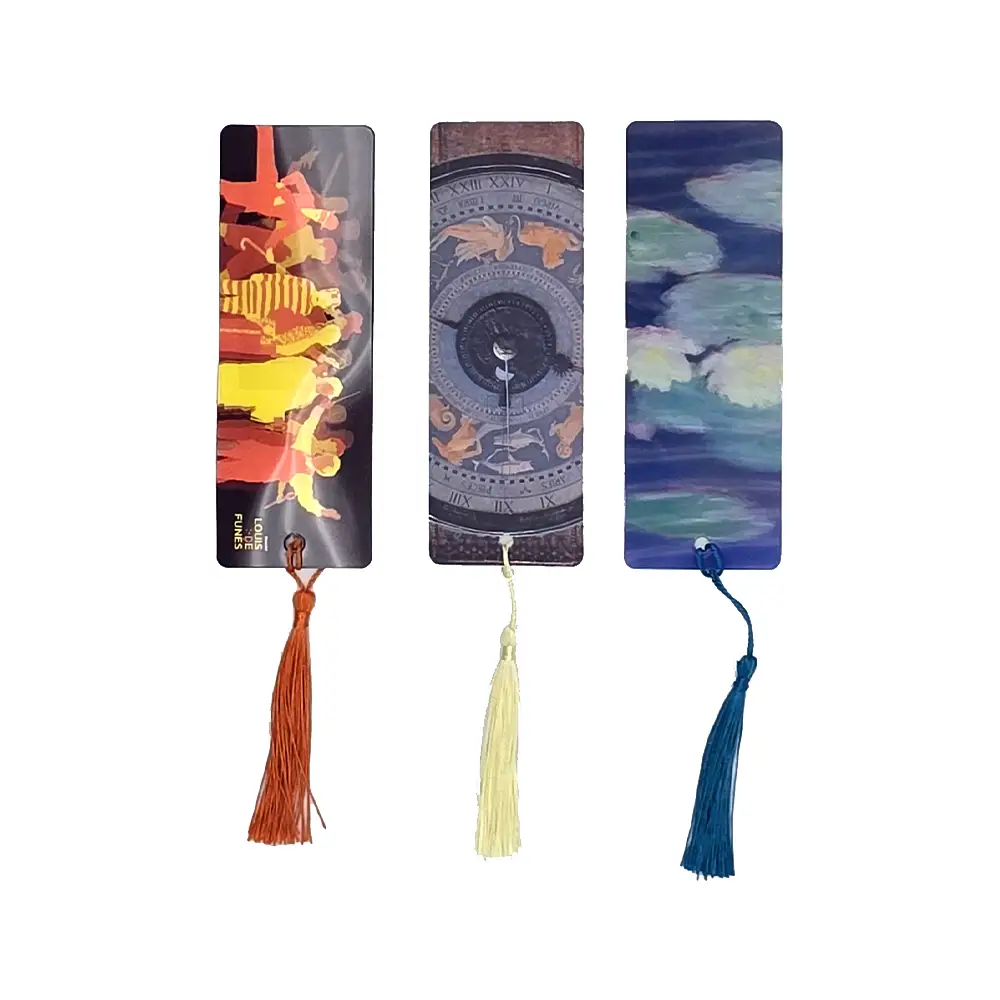
3D LiveLife Memory Playing Cards is lenticular technology, which creates a sense of movement or depth. Thanks to this technique, the image slightly changes when viewed from different angles.
The effect can simulate:
- dynamic movement
- scene variation
- a sense of three-dimensional depth
- transitions between two images
In a museum context, this feature perfectly connects with themes of perception, transformation, and point of view. The cards become educational tools that show children—and adults—that an image can change depending on how it is observed.
The result is a product that surprises and stimulates curiosity while keeping the classic memory game at its core.
Size and Variants: 12 or 20 Pairs of Images
The
3D LiveLife Memory Playing Cards measure
5.2 × 8.2 cm, a handy format suitable even for smaller hands. The compact size makes it easy to play on tables or smaller surfaces.
The deck is available in two configurations:
- 12 pairs of images, ideal for younger children or quick games
- 20 pairs of images, for a higher level of difficulty and a more engaging experience
This flexibility allows the product to adapt to different age groups and contexts, making it suitable both for families and a broader audience.
Four-Color Printing: Visual Quality and Color Intensity
The cards are printed using
four-color process printing, ensuring rich and accurate color reproduction. The combination of four-color printing and lenticular technology enhances the images, making them vivid and engaging.
In museum merchandising, print quality is essential for reproducing artistic details, illustrations, or graphics related to exhibitions and collections. Each pair of cards becomes a small visual narrative that comes alive through movement.
Carefully Designed Packaging
The cards are packaged in
sealed cellophane, a practical solution that protects the product and ensures its integrity. The packaging is completed by a
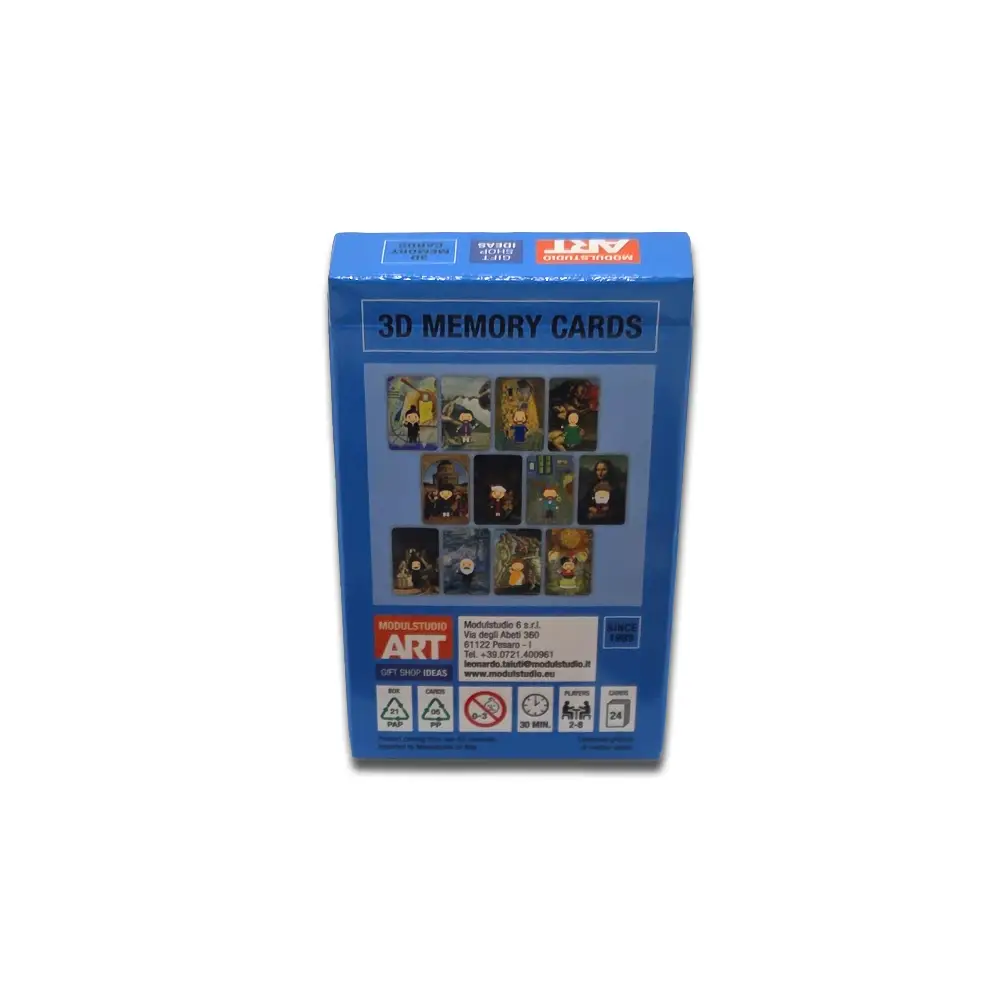
custom four-color printed 300 g cardboard box, which enhances the product’s presentation.
The custom box reinforces the museum’s visual identity and allows for coordinated graphics with the content inside. A
custom four-color printed leaflet (104 × 164 mm) is included, which can explain the concept of the game, present the images, or provide instructions.
This level of care makes the product complete and ready for display in museum bookshops.
An Educational Game in Museum Merchandising
Within cultural merchandising, the
3D LiveLife Memory Playing Cards represent a product that combines fun and learning. The game stimulates:
- visual memory
- concentration
- careful observation
- associative thinking
- perception of space and movement
Thanks to the lenticular effect, the experience becomes even more engaging, turning the traditional memory game into a perceptual and dynamic activity.
It is an ideal product for:
- museum bookshops
- interactive exhibitions
- contemporary art and design museums
- educational and learning spaces
- family audiences
3D LiveLife Memory: Remembering with New Eyes
The
3D LiveLife Memory Playing Cards, size
5.2 × 8.2 cm, with
12 or 20 pairs of images, printed in
four-color process with lenticular effect, packaged in
sealed cellophane and a custom 300 g cardboard box, represent an innovative option for museum merchandising.
A classic game renewed through movement and depth. An experience that stimulates memory and perception, transforming each match into a small visual journey.
Because remembering is important—but doing so with images that move makes the experience even more surprising.